



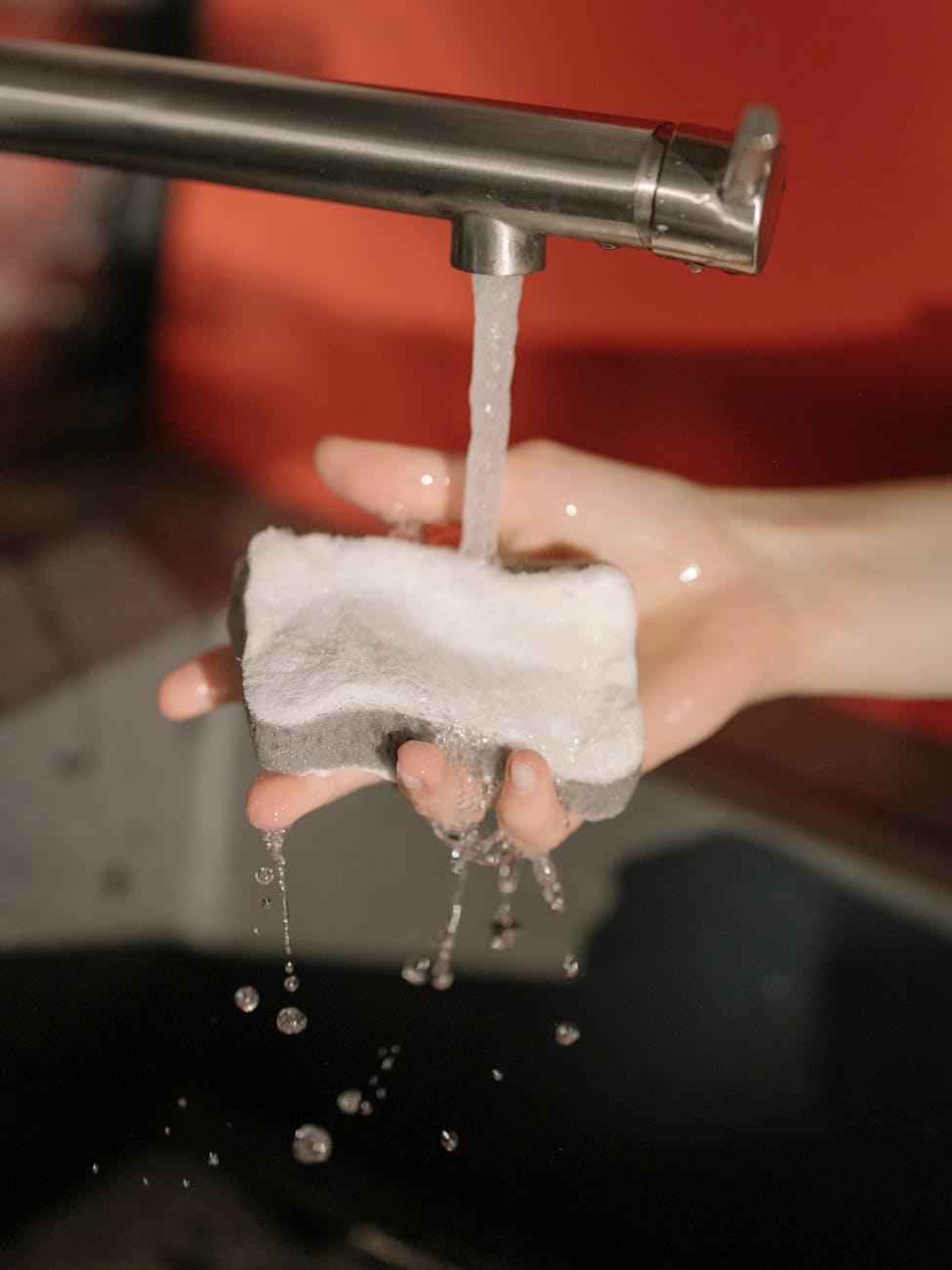
Canvas painting is a versatile form of art that allows artists to explore various techniques and tools to bring their creations to life. While paintbrushes are commonly used in this practice, there are alternative tools that can add unique textures and effects to your paintings. One such tool that you may not have considered before is a simple dish sponge.
Unleashing Creativity with a Sponge
When it comes to creating art, the possibilities are endless. With the sponge art technique, you can experiment with different textures and styles to elevate your canvas paintings. The soft and porous nature of a sponge allows you to create subtle blends and gradients that may be challenging to achieve with a brush alone.
Adding Depth and Texture
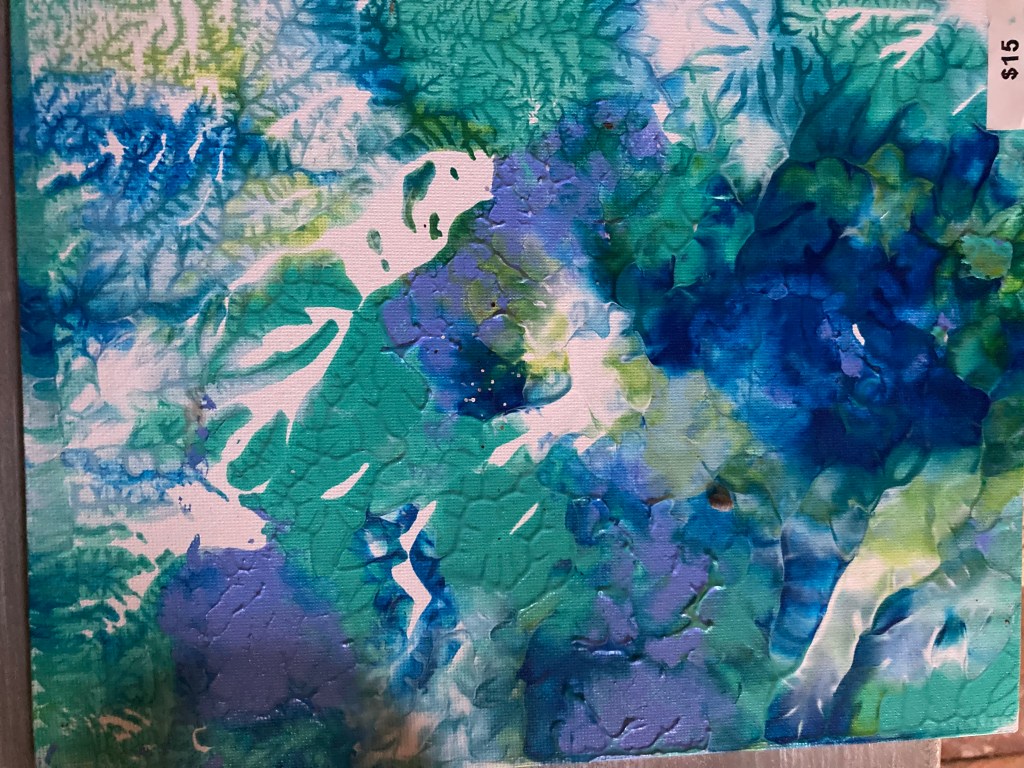
One of the key benefits of using the sponge art technique is the ability to add depth and texture to your artwork. By dabbing, swirling, or stippling paint onto your canvas with a sponge, you can create a variety of effects, from soft and airy to bold and textured. These textured backgrounds can serve as a base for your painting, providing an interesting foundation for your composition.
Creating Dimension and Visual Interest
Incorporating sponges into your painting process can also help you create dimension and visual interest in your artwork. By layering different colors and textures with a sponge, you can build up the surface of your canvas and add dynamic elements to your composition. This technique is especially effective for creating organic and abstract pieces that have a tactile quality.
Exploring New Techniques and Styles
The sponge art technique opens up a world of possibilities for artists to explore new techniques and styles. Whether you’re interested in creating landscapes, abstract art, or still life compositions, sponges can be used to achieve a wide range of effects. From creating soft, ethereal backgrounds to adding intricate details and patterns, the sponge art technique allows you to experiment and push the boundaries of your creativity.
Tips for Using the Sponge Art Technique
- Start by cutting your sponge into smaller pieces to create more precise marks and details.
- Experiment with different types of sponges, such as natural sea sponges or synthetic sponges, to achieve different textures.
- Use a variety of painting techniques, such as dabbing, stippling, and swirling, to create unique effects.
- Practice on a separate canvas or surface before applying the sponge art technique to your final piece.
In conclusion, the sponge art technique is a versatile and creative way to enhance your canvas paintings. By incorporating sponges into your painting process, you can add depth, texture, dimension, and visual interest to your artwork. So, next time you’re looking to try something new in your art practice, reach for a sponge and see where your creativity takes you!
 Oasis Artisans
Leave a comment